Nordicpineplay
Live worlds, real weeksFree to found a cityGods, galleys, granaries

Ancient empires worth a whole winter of evenings

Nordicpineplay reviews strategy games that run for months, not minutes: Greek islands under rival flags, Nile cities, Mesoamerican temples, and village wars that outlast a hockey season. We found real cities on live worlds, join alliances, lose a few harbours, and only then write. Six games made our list, each with a long review and an honest note on the hours it asks.

6long-running empire games, each played on a live world
4criteria behind every score we give
4publishers behind the six games
2long essays on running an empire well
How a realm earns its number

A full season on a live world before a single score

Empire games reveal themselves slowly. The first week is all tutorials and generous timers; the truth arrives around week three, when neighbours grow teeth and alliances start to matter. So every editor here plays on a live public world for at least a month before the review is drafted.

01

Founding on a fresh world

We start each game on a newly opened world wherever the publisher allows it, because that is where a new reader will start too. Each editor plays an ordinary free account, follows the tutorial honestly, and keeps a dated log of what got built, what got raided and how long each decision took. Nobody skips ahead with a veteran account.

New worldsOrdinary accountsDated logs
02

Living inside an alliance

Half of what these games offer happens in alliance chat, so we join one, pull our weight, and watch how the game supports coordination: shared reports, forums, diplomacy screens, defence calls. We also note how the world treats a player who prefers to stay quiet, since plenty of readers want a city, not a war council.

Alliance dutyDiplomacy toolsQuiet-player test
03

Weighing four yardsticks

Scores come from four fixed criteria: strategic depth, how well the game fits a normal week, how a free player stands against paying ones, and the quality of alliance life. Each is a whole number out of ten. We let the numbers spread out, because a game can be superb at war and middling at fitting into a Tuesday.

Four criteriaWhole numbersHonest spread

How the pine desk pays for itself

Nordicpineplay is a free reading site with no subscriptions and nothing to buy. Some play buttons may become partner links in time, and when they do, the ranking stays exactly where our month on a live world put it. A game moves up or down only because of how it plays. When a publisher changes a feature, readers tell us and we update the review with the date of the change.

Letters we answer most

Questions readers send before founding a city

Yes, and that is the point of them. Each one runs on worlds or servers where a city grows over weeks, alliances form and break, and the map slowly fills. Travian rounds build toward a wonder that only becomes possible late in the round. Treat any of the six as a season-long hobby rather than an evening’s distraction.

All six let you found a city and play a full world free of charge. Each also sells optional conveniences, and we judge in every review how much a free player gives up. Our “free-player standing” score exists for exactly this question, and none of our top three needs a single purchase to be enjoyable.

You might lose resources or troops, and in the war-heavy games a careless absence can cost a whole village. The usual protection is your alliance: tell them you are away, keep your storage low, and spend before you leave. The calmer builders on our list are kinder to a week at the cottage.

Anocris and Ikariam have the gentlest first weeks, because their opening hours are mostly about building, producing and planning rather than defending. Grepolis has a clear tutorial too. Travian and Tribal Wars 2 teach the basics quickly but punish a careless newcomer harder once the neighbours wake up.

In Travian, Grepolis and Tribal Wars 2, playing alone is possible but limiting; alliances share intelligence, defence and long-term goals. Ikariam rewards cooperation through trade as much as war. Tentlan and Anocris let you grow quietly for longer. Our “alliance life” score tells you how much each one leans on the group.

Five of the six have official mobile apps alongside the browser version, so you can queue construction on the bus and plan properly at your desk. Ikariam we list as a desktop-browser game. Each review copies the device line exactly as the publisher supports it today.

Whenever a game changes enough to shift how it plays, and in any case once a year. These are living games: publishers add worlds, modes and balance changes. When we revise a review, the date and the reason go into the text, and readers who notice a change before we do are warmly thanked.

Six ways to rule

Pick your style of command, then your world

Every one of these games lets you build, trade and fight, but each leans hard in one direction. Find the description that sounds like you and follow it to the game that fits.

Admiral

The admiral who thinks in tides

You want your power measured in hulls. Cities sit on islands, rivals sit across the water, and nothing happens until your transports and warships say so. Add Greek gods, mythical beasts and festivals for culture, and you have a world where every move starts at the harbour.

Grepolis →
Marshal

The marshal with a five-month plan

You enjoy long arcs: choosing a tribe on day one, founding villages on culture points, and steering an alliance toward a wonder that only rises near the end of a round. You accept that the map will be decided by the players who stayed organized.

Travian →
Merchant

The merchant who loves a cargo manifest

You would rather balance wine, marble and sulphur than plan a siege. Each island gives one luxury good, so trade and colonies are not optional extras but the backbone of growth. Fleets matter, but your first instinct is a trade route.

Ikariam →
Warlord

The warlord who counts noblemen

You like the sharp end: spies in the tavern, rams at the wall, and a nobleman marching to take a neighbour’s village. Tribes coordinate whole offensives across months, and the map changes colour because people planned it that way.

Tribal Wars 2 →
Astronomer

The astronomer who waits for the right season

You enjoy systems that reward timing. Production is gathered by hand rather than ticking away untouched, temple rituals can turn the season, and some research stays locked until you do. It suits a patient planner who likes a different kind of map.

Tentlan →
Pharaoh

The pharaoh building along the river

You want a city first and a war second. A settlement on the Nile, choices about production, festivals and season spells, and nomad camps to test your troops when you would rather not provoke the neighbours. Gentle on the clock, rich in theme.

Anocris →
Six realms on the long table

From Aegean harbours to Nile granaries

Two of these games are built around the sea, two around land borders and village wars, and two take you somewhere the genre rarely goes: the banks of the Nile and the cities of Mesoamerica. Each card says where it runs, what it asks of a week, and which kind of commander it suits.

GrepolisOur first harbour01
Greek island strategy

Grepolis

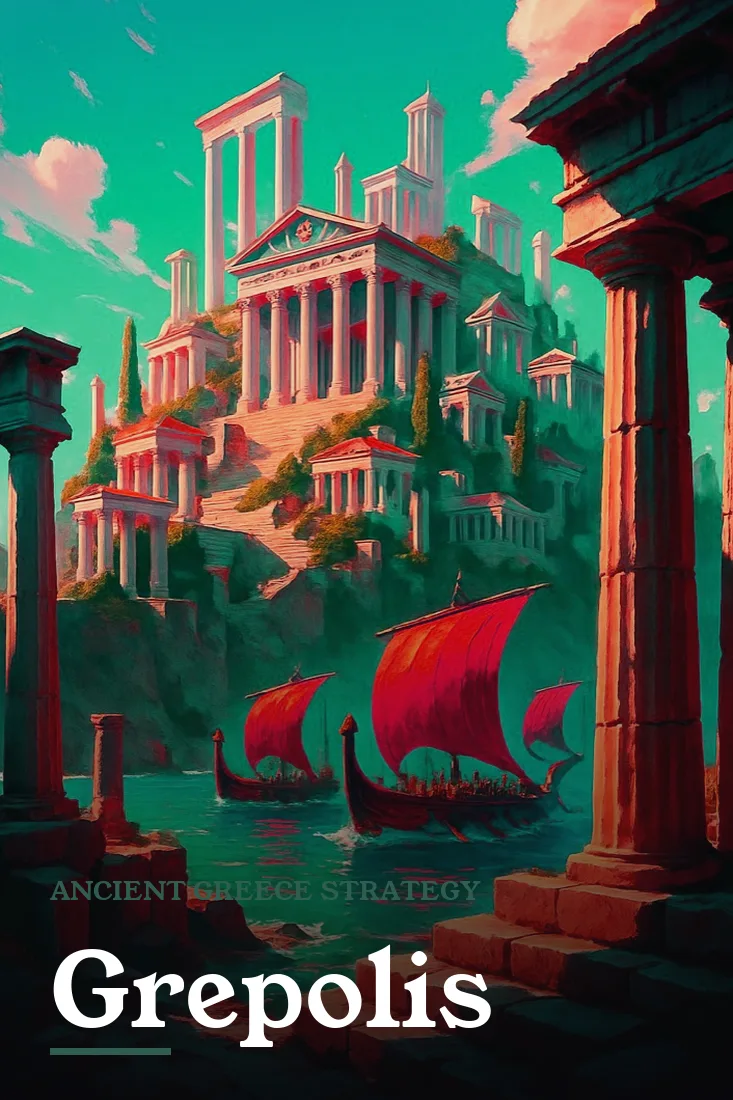
Found a polis on an Aegean island, pick a patron god, and grow toward a fleet that can carry your ambitions across the water. Grepolis blends a patient city-builder with real naval warfare, mythical units and culture-driven expansion, all inside an alliance game that rewards months of steady attention.

City-state buildingMythological unitsNaval warfare
Desktop browser; mobile app also available
Strategic depth9
Week-to-week rhythm7
Free-player standing8
Alliance life9
TravianThe old master02
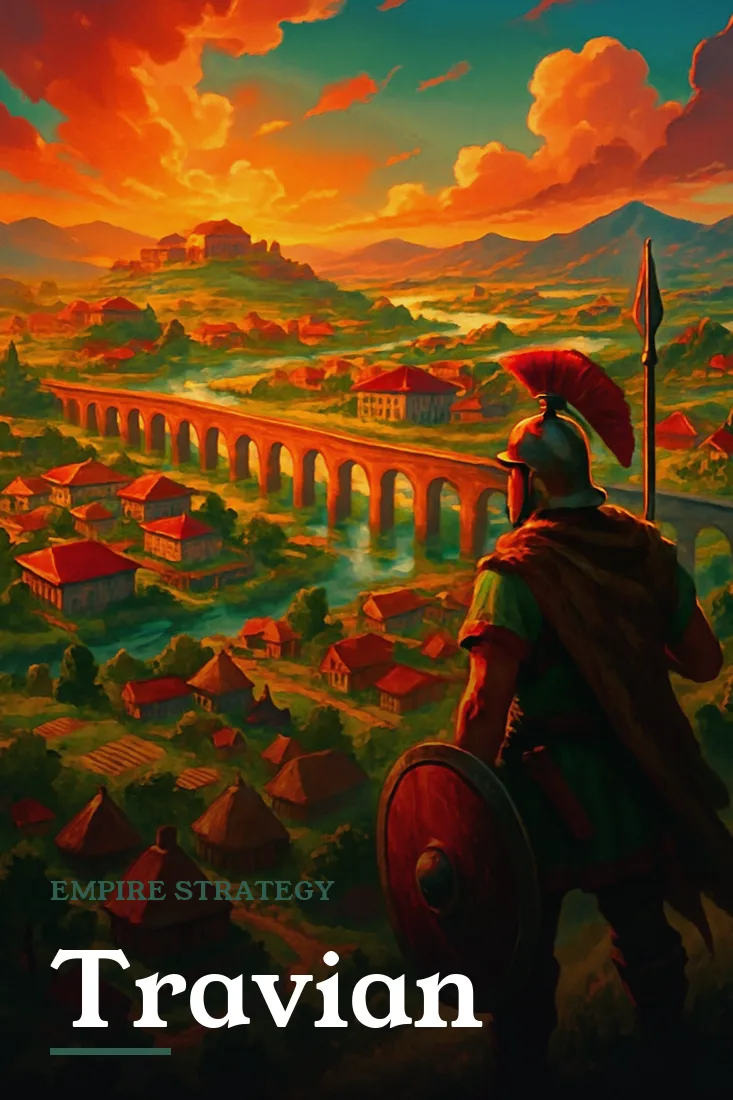
Village empire MMO

Travian

The game that shaped the genre, still running and still demanding. Choose one of five tribes, grow eighteen resource fields and a village centre, expand on culture points, and fight alongside your alliance toward a World Wonder that only becomes possible late in a round. Travian rewards long memories and careful planning.

Village buildingTribe choiceAlliance goals
Desktop browser; mobile app also available
Strategic depth9
Week-to-week rhythm5
Free-player standing7
Alliance life9
IkariamThe trader’s pick03
Island trade strategy

Ikariam

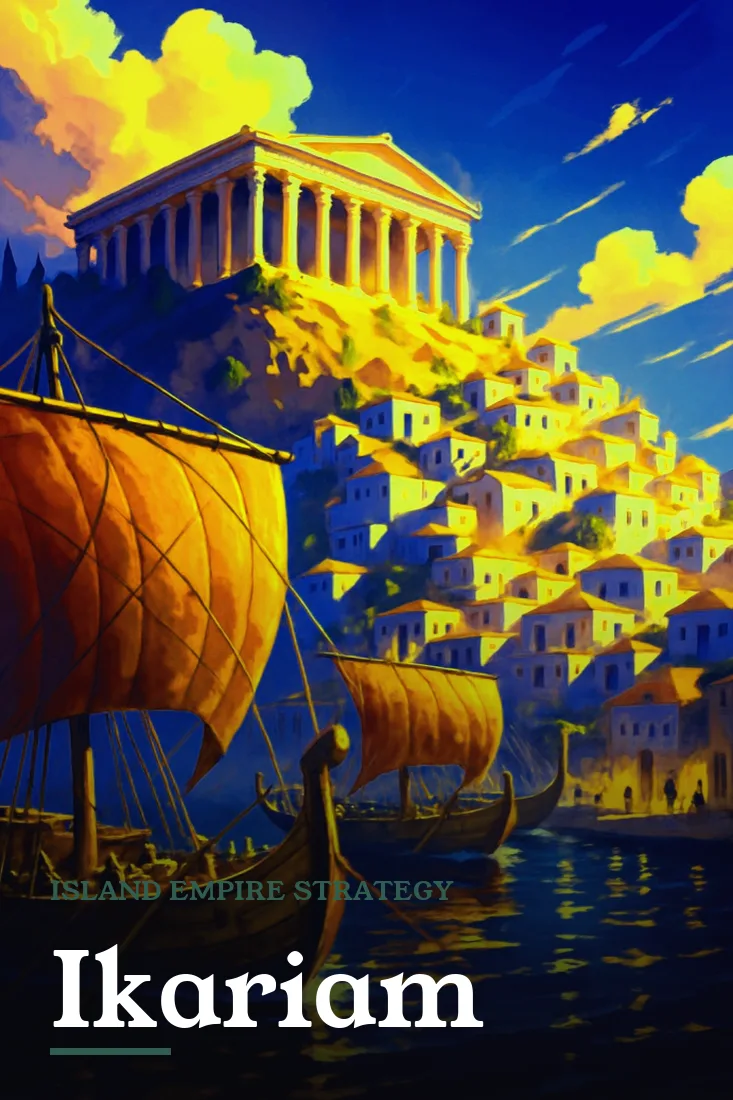
Gameforge’s Mediterranean classic gives every island wood and exactly one luxury good, whether wine, marble, crystal glass or sulphur. To grow, you must trade, colonize or raid for the rest. Cargo ships, four research branches and island wonders make it the most economic, and most cooperative, game on our list.

Island coloniesTrade by necessityPort sieges
Desktop browser
Strategic depth8
Week-to-week rhythm8
Free-player standing7
Alliance life6
Tribal Wars 2For hard campaigners04
Medieval conquest MMO

Tribal Wars 2

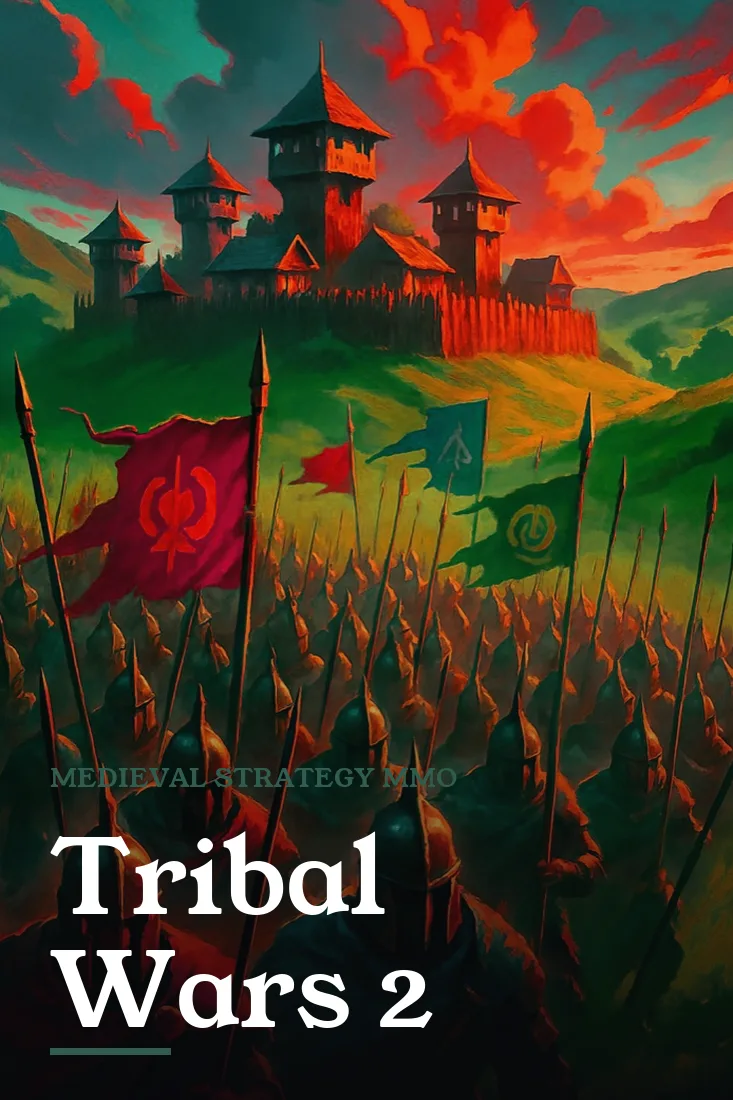
InnoGames’ sequel to its classic browser war game hands you a small medieval village and a map full of neighbours who want it. Wood, clay, iron and provisions feed an army of spearmen, axe fighters and cavalry, while noblemen take villages and tribes coordinate offensives across worlds that run for months.

Village conquestTribe coordinationMonths-long worlds
Desktop browser; mobile app also available
Strategic depth8
Week-to-week rhythm6
Free-player standing7
Alliance life9
TentlanRewards patience05
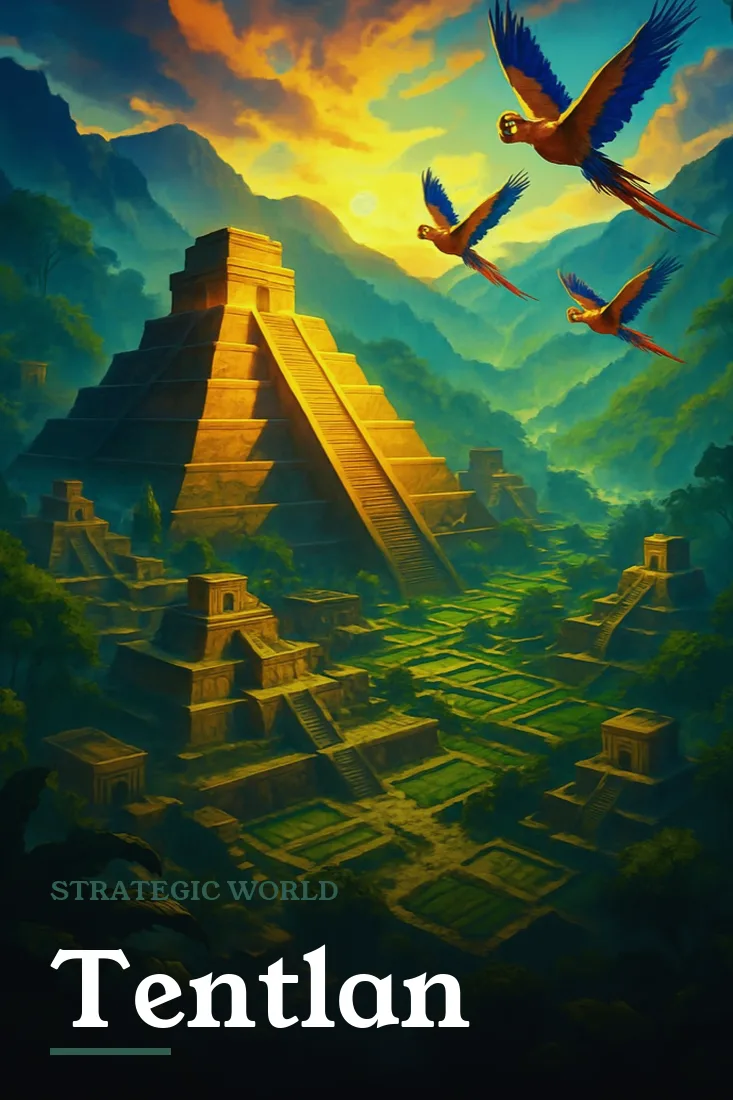
Mesoamerican city strategy

Tentlan

Lionmoon’s strategy game leaves Greece and Rome behind for a Mesoamerican world of temples, maize and jaguar warriors. Production is gathered by hand, rituals at the Moon Temple can change the season, and some research waits until you do. It rewards planners who enjoy timing as much as building.

City & resource growthAlliance strategyLong progression rhythm
Desktop browser; mobile app also available
Strategic depth7
Week-to-week rhythm7
Free-player standing7
Alliance life6
AnocrisCalmest start06
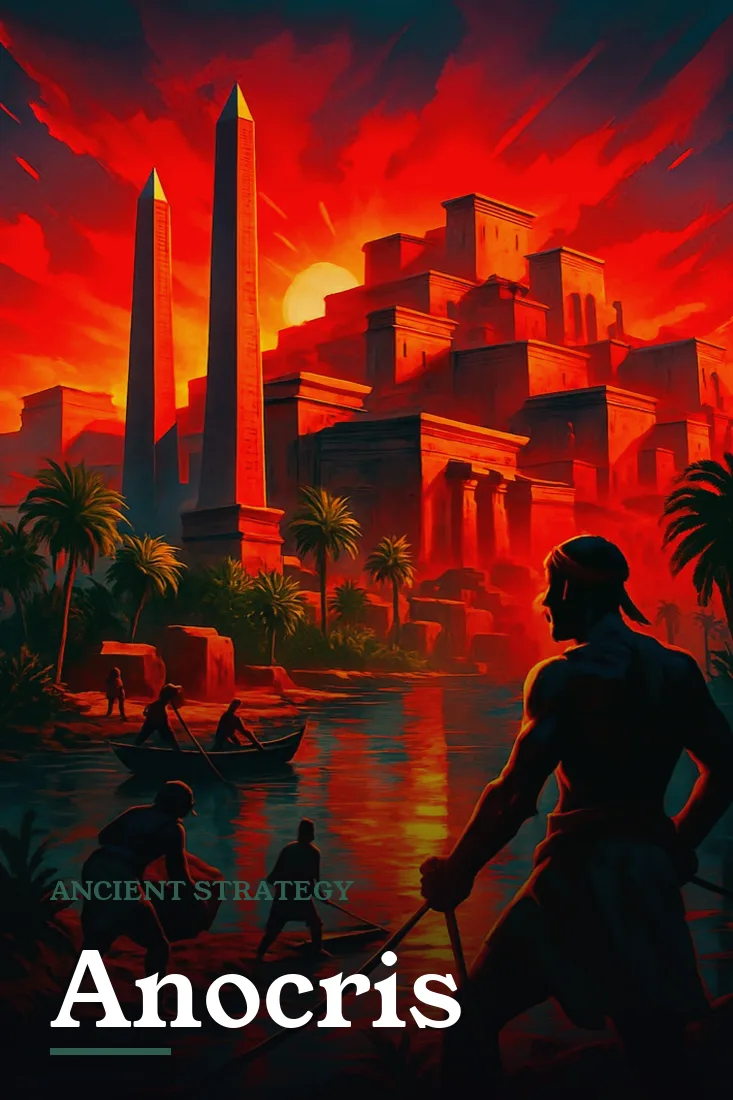
Egyptian empire builder

Anocris

Begin in 1200 BCE with a single settlement on the Nile and grow it into a realm of temples, pyramids and disciplined armies. Anocris, also from Lionmoon, favours careful economic choices, festivals and season spells, and lets you test your troops on nomad camps before you ever trouble a neighbour.

Egyptian city-buildingEconomy managementStrategic expansion
Desktop browser; mobile app also available
Strategic depth6
Week-to-week rhythm8
Free-player standing7
Alliance life5
Sift and sort the whole archipelago →
Ingrid’s three questions

Which empire suits the way you play?

Say how much of your day you can give, what part of empire-building pulls at you, and which world you would rather live in. Ingrid names one game to start and a close second.

Ingrid
Grepolis
#1 · Our first harbour
8.2/ 10
The world we found first and kept longest

Grepolis

Grepolis sits at the top of our list because it fuses three things the genre usually keeps apart: a city you can grow calmly, a sea you must actually sail, and Greek gods whose favour changes how you fight.

Launched in the browser by InnoGames in December 2009Six patron gods, from Zeus and Hera to Hades and ArtemisOlympus game mode added in June 2020

Every polis in Grepolis stands on an island, so the harbour is not decoration. Colony ships, transports and warships decide where you can reach, and a neighbour across the strait is never as far as the map suggests. Back home, the Senate drives construction, the Temple turns favour into divine powers and mythical units, and the Agora’s festivals earn the culture points you need for each new city. InnoGames has kept this world running since 2009 and still adds modes on top of it, which is why it rewards months of attention rather than a weekend of curiosity.

Side by side

Weigh two capitals side by side

against
Your first city is waiting

Raise one wall tonight, plan the empire tomorrow

Pick the world that matches your evenings, found a single city, and give it a fortnight. These games open up slowly and reward the player who keeps coming back. Our shortlist keeps your candidates in one place while you decide.